
tivoli
since roman times, tivoli has been a summer resort for the wealthy of rome. it is located on the western slopes of the apennine mountains, where the aniene river cascades in waterfalls onto the plain of rome. in the second century a.d., the roman emperor hadrian built an enormous complex of palace buildings here as a summer residence. that, the villa adriana or hadrian's villa, was our first stop, in the morning after we arrived at tivoli.
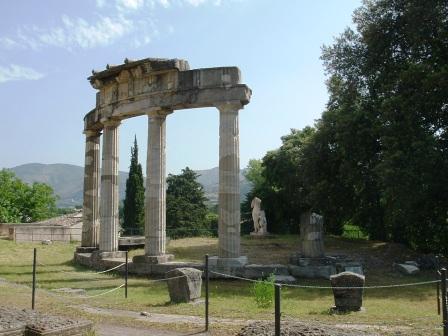
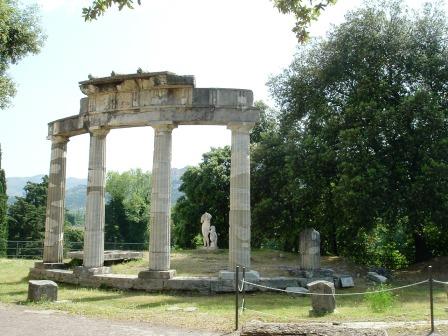
the villa includes secluded spots overlooking the mountains, like this ruin
of a temple to venus, the roman goddess of love.
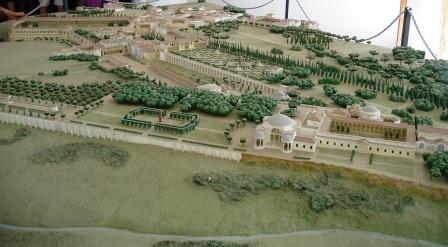
a model on site tries to show what the grounds looked like in Hadrian's day,
with almost 300 acres and dozens of buildings.
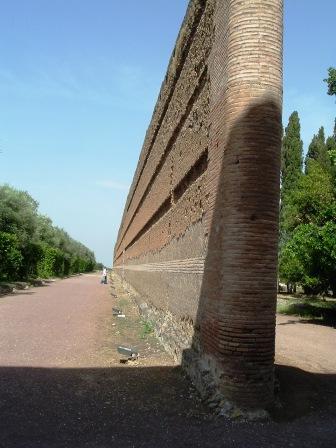
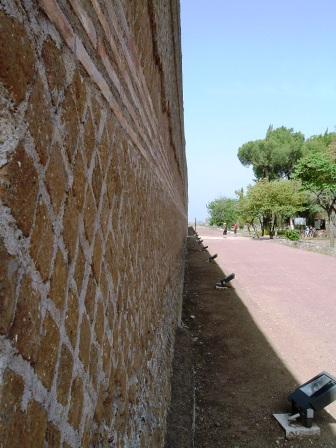
this ingenious feature, a wall more than 750 feet in length, provided shade
for summer walks: mornings were shady on one side of the wall and afternoons
on the other.
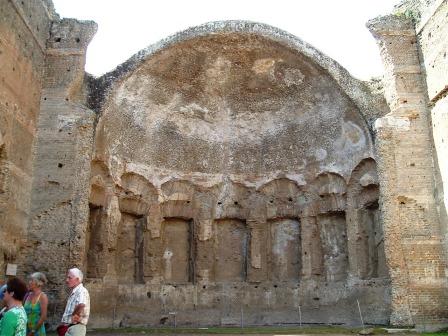
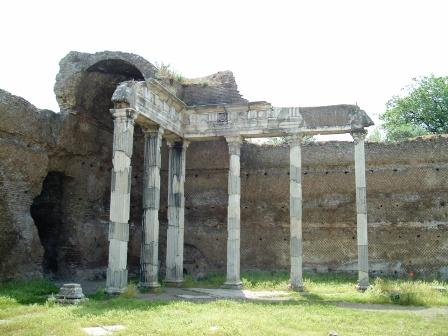
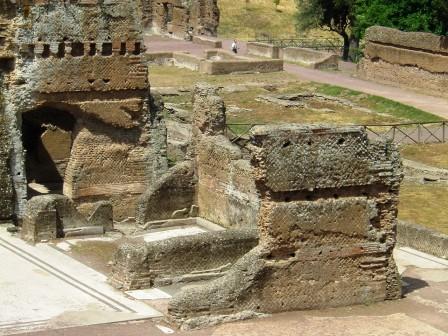
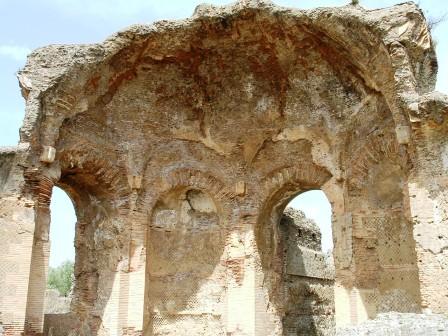
the many buildings housed residences for the emperor and his family as well
as for his friends and bodyguards, and also an imperial audience hall, libraries,
dining facilities, and more.
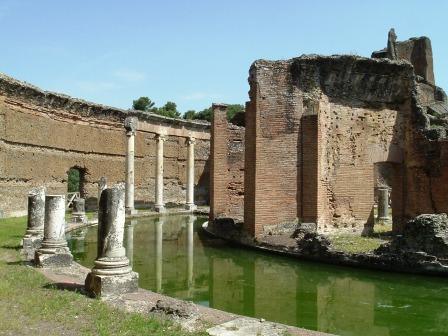
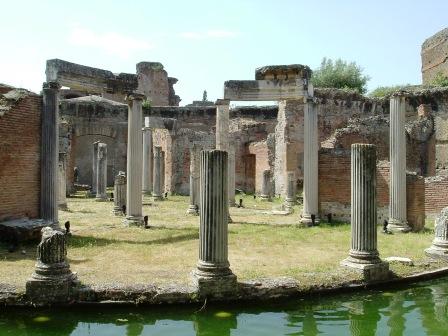
the villa also included a private get-away for the emperor, built in a circular
shape and surrounded by a moat and a high wall, where only he and those he invited
could spend time alone.
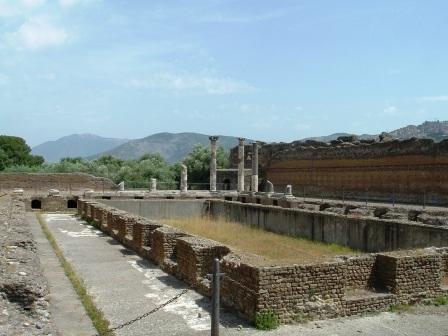
a huge fishpond kept the many fish needed to feed the imperial households and
servants.
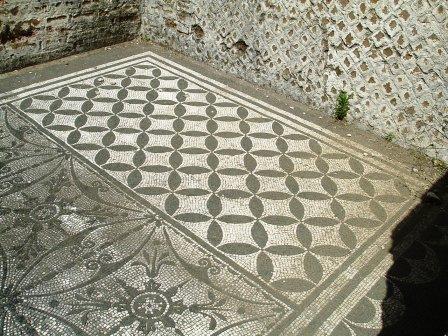
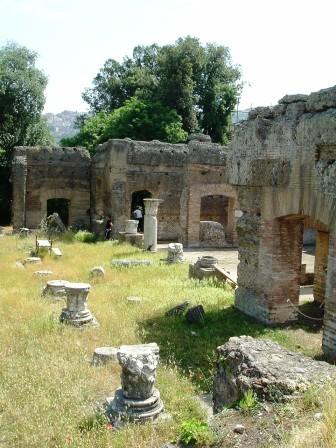
we wandered literally from building to building, amazed at what had survived.
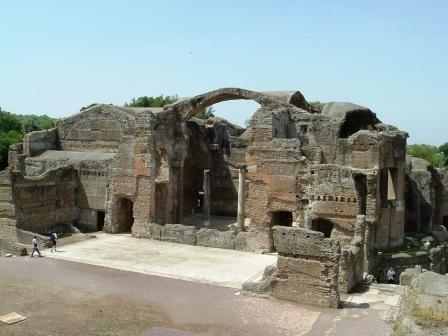
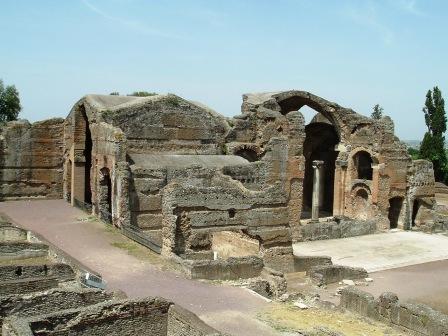
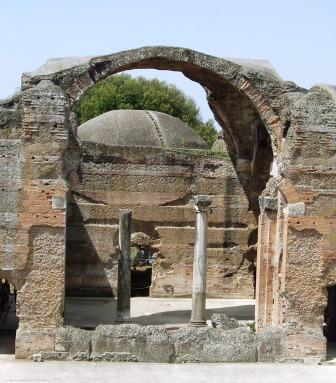
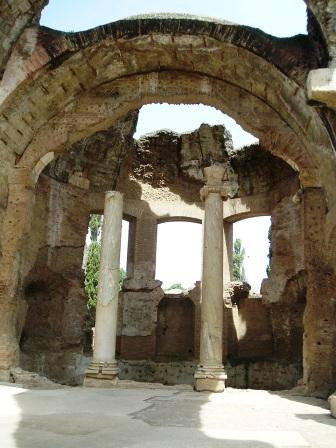
among the buildings needed for such a vast complex: a public bathhouse.
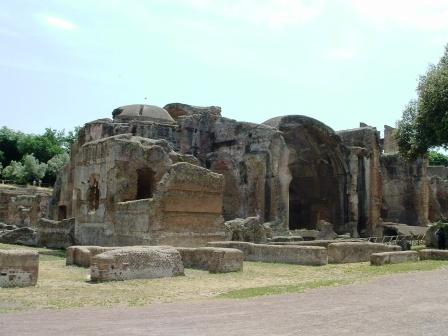
another, smaller bathhouse on the grounds was probably reserved for women.
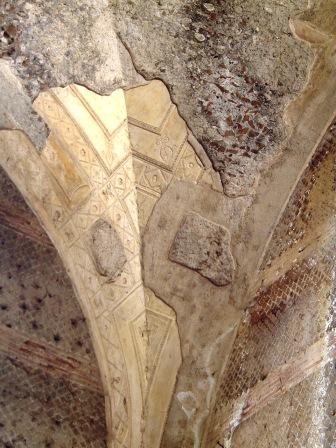
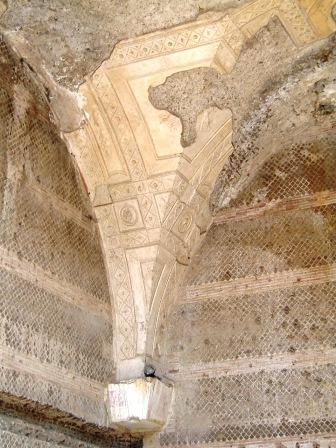
notE how even some of the decorative plasterwork has survived.
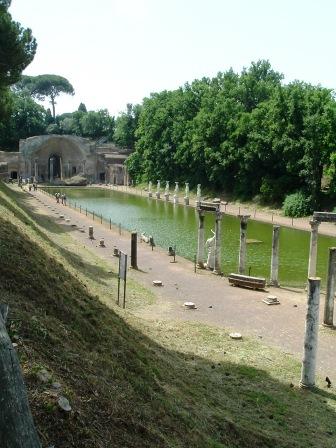
among the best known features of hadrian's villa is this pool surrounded by
columns and sculpture, called the canopus.
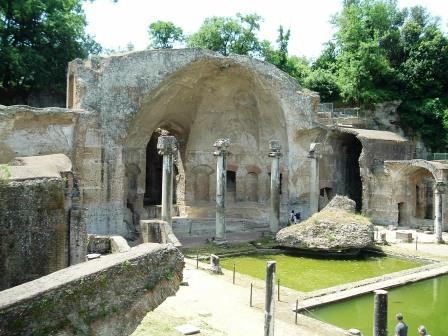
at one end of the canopus was a temple, although it is unknown what god was
worshipped there.
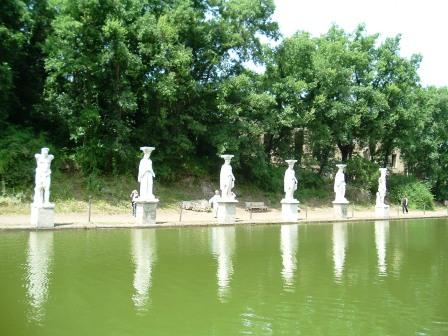
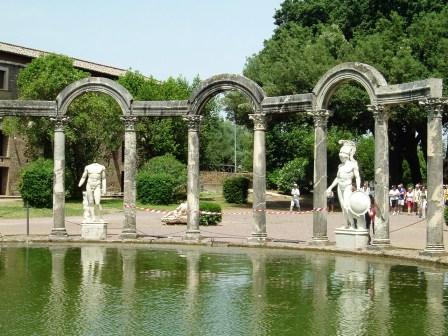
the original canopus was a canal that linked alexandria in egypt to the nile
river. since hadrian's beloved companion, antinous, had drowned in the nile,
he may have built this site in commemoration of the man he had proclaimed a
god.
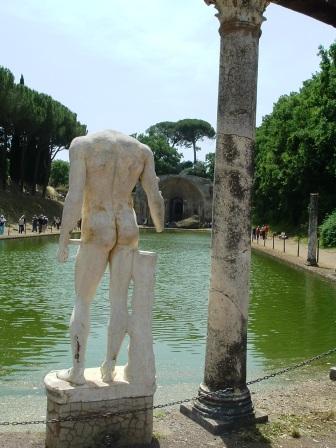
hadrian had dozens of sculptures of antinous placed at various points around
his villa, although most have now been dispersed to various museums.
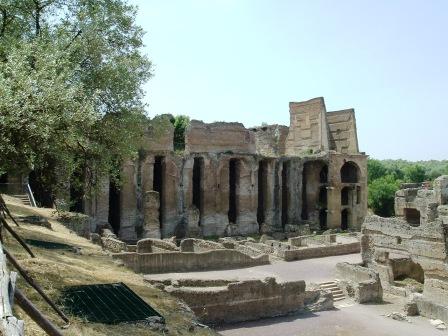
hadrian's villa also required an extensive infrastructure to support the imperial
residence. this huge, four-storey building was used for storage.
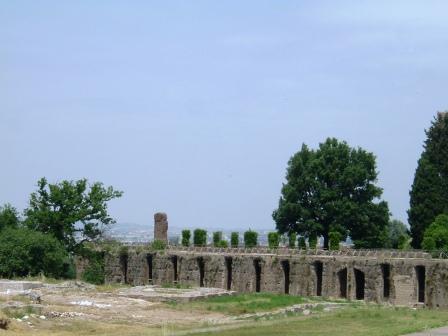
slaves slept in quarters built into the foundations of buildings and terraces
built on the sloping ground.
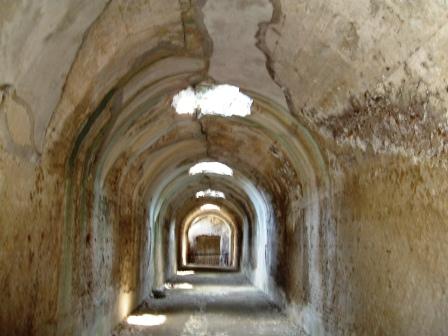
a vast system of underground tunnels allowed for slaves to bring supplies from
building to building without interrupting the emperor or his guests.
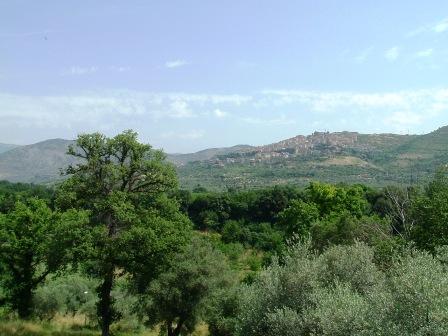
from Hadrian's villa, there is a nice view to the town of tivoli, some miles
away.
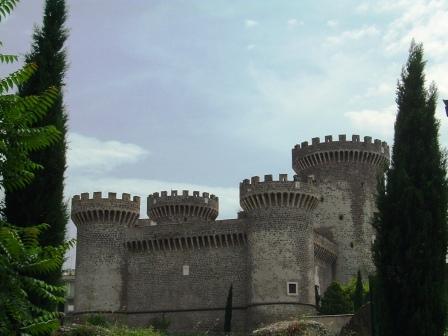
this fortress, built by the popes in the 16th century to control the papal states,
dominates the modern town of tivoli.
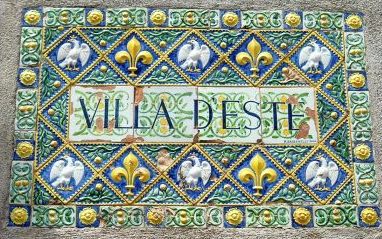
the villa d'este was built in the 16th century on the sloping edge of town by
Ippolito d'Este, a cardinal and the son of lucrezia borgia.
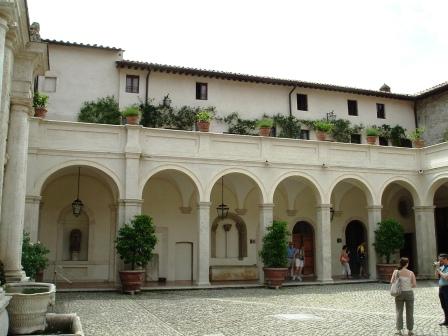
the villa d'este itself is not too imposing, although it is filled with works
of renaissance art.
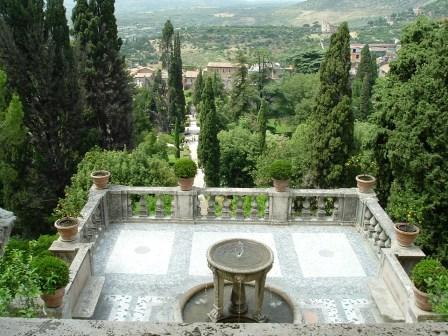
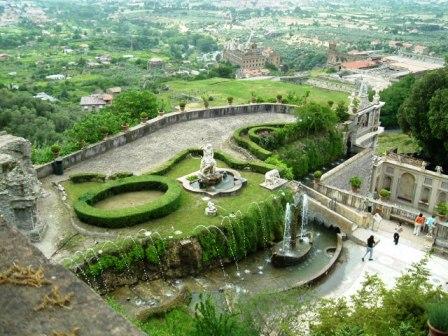
but the gardens of the villa d'este, on the terraced slopes of the town, are
exquisite.
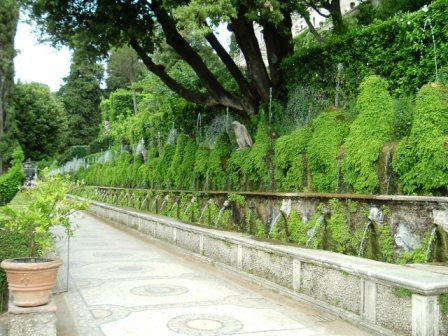
the garden contains hundreds of fountains. this walk alone is called the avenue
of a hundred fountains.
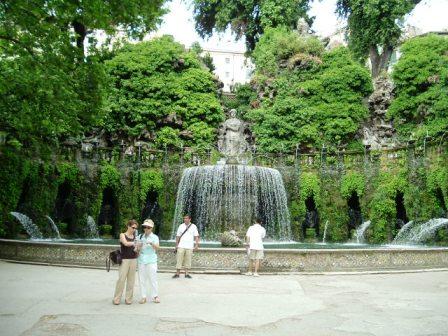
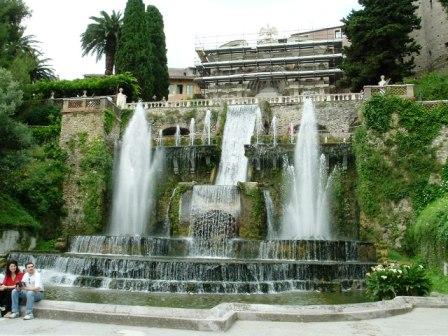
cardinal d'este redirected the course of the aniene river to power the fountains
automatically.
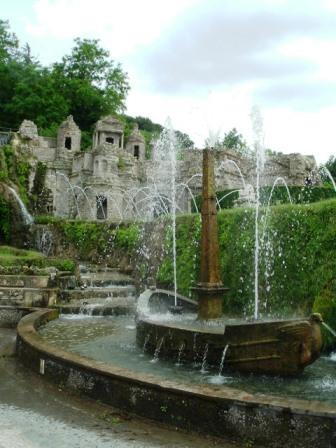
this fountain is supposed to represent the city of rome, with the ship that
is the tiberina island, an egyptian obelisk, and fake roman ruins behind.
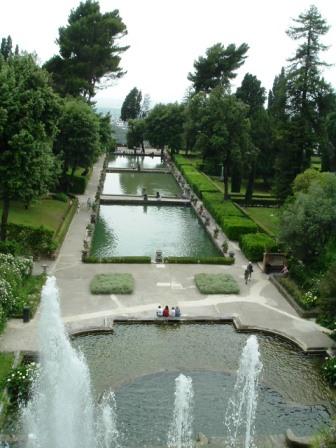
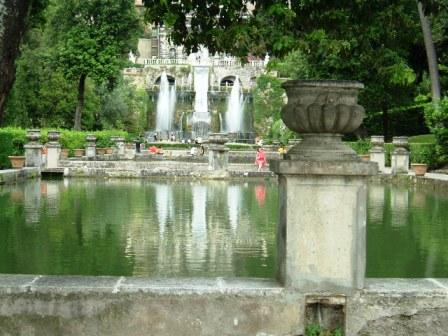
reflecting pools also provided fresh fish for the cardinal's table.
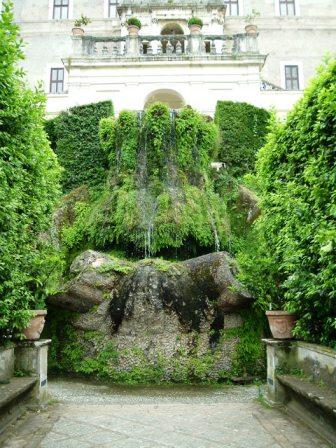
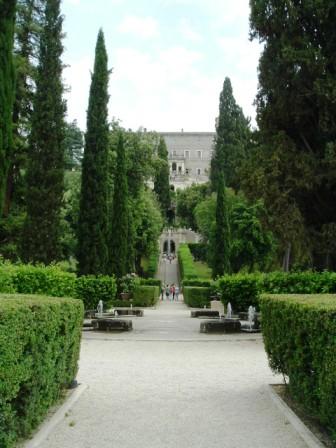
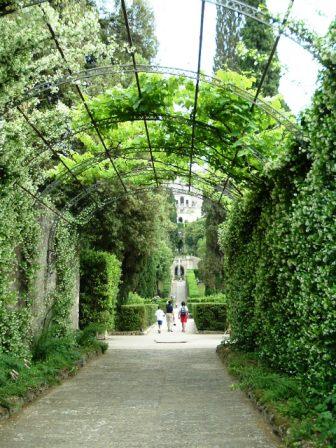
numerous shady walks are also provided in the gardens.
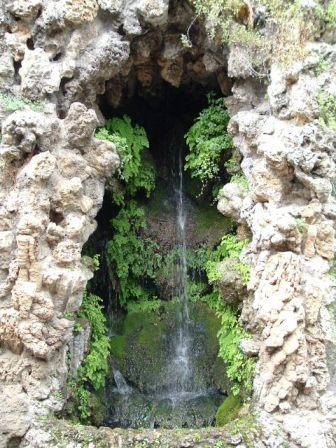
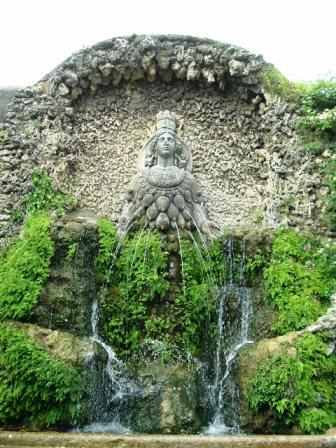
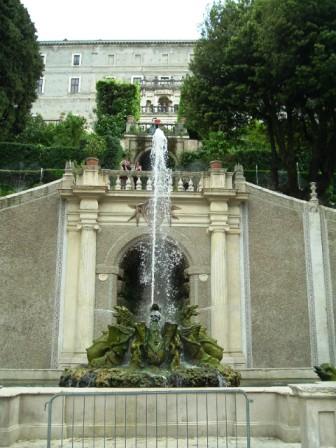
some of the fountains are incredibly rustic and made to look like natural waterfalls,
others done in an archaicizing ancient style, others done in full renaissance
elegance.
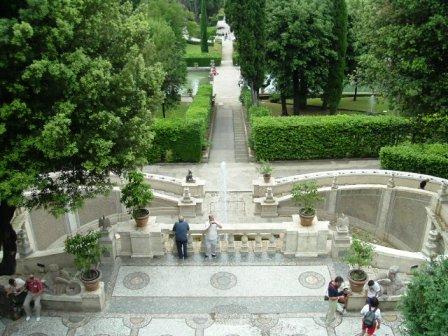
all in all, we spent a beautiful afternoon at the villa d'este!